About Me

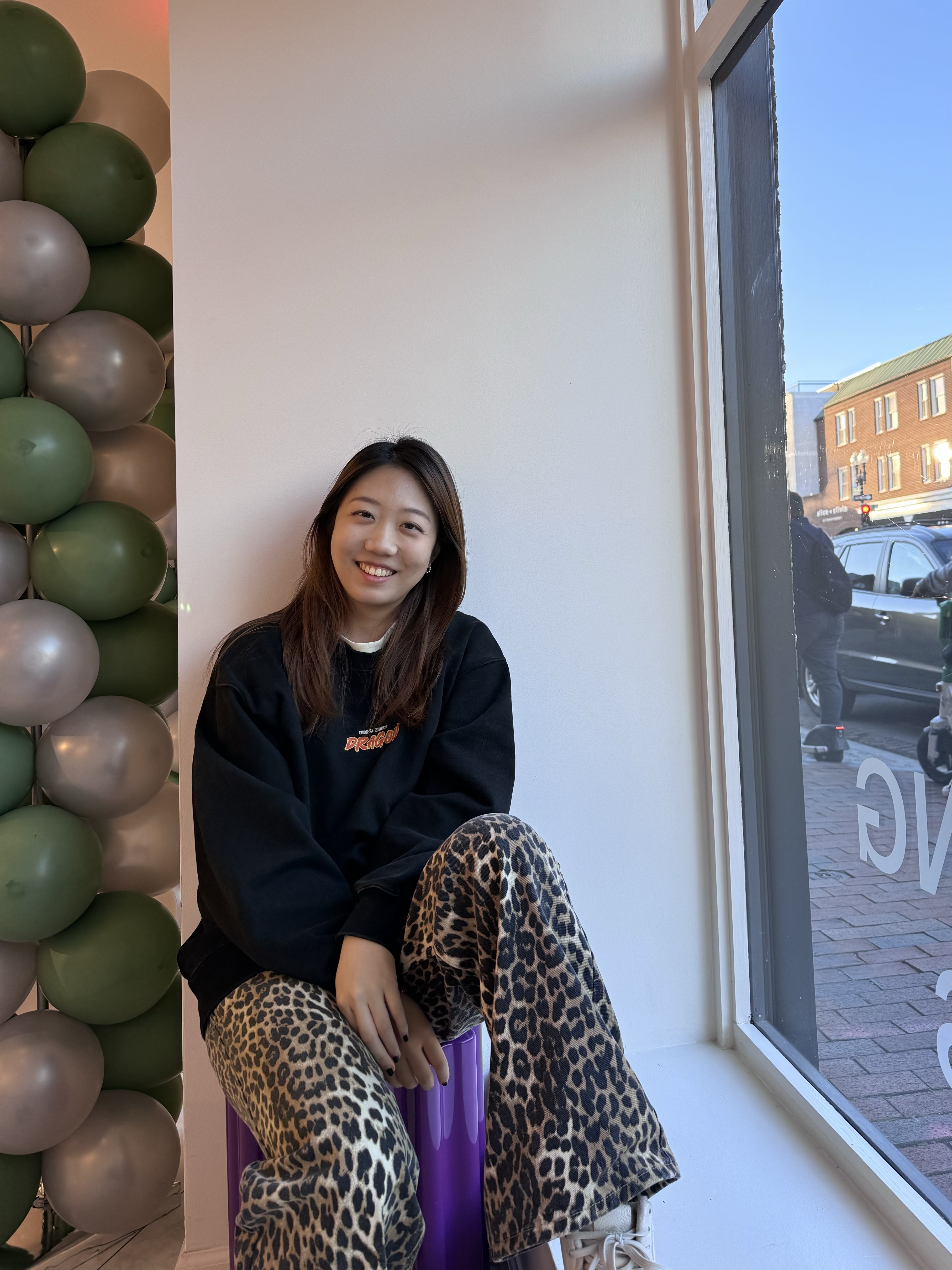
Portrait of Yuyan Wang

I’m a Master's student at the University of Pennsylvania, with a Bachelor's degree from the University of Virginia. My experience spans multi-modal training, whole-body control of humanoid robots, VLA post-training and deployment, Human-AI collaboration, and LLM-guided reinforcement learning.

My research focuses on developing intelligent agents that can perceive, reason, and act in complex physical environments, with an emphasis on generalization across tasks, environments, and robot embodiments. I am particularly interested in combining robot learning with data-efficient learning, active exploration, and in-context adaptation to enable robots to learn from limited experience and adapt to new situations with minimal additional training.

News

Joined BXI Robotics as an Algorithm R&D Intern, working on VLA deployment, whole-body control, and robot data generation for the Elf3 humanoid robot.

Our UVA MARS team placed first and won the Off World Grand Prize in NASA's 2026 Lunabotics Challenge.

“Moving Out: Physically Grounded Human-AI Collaboration” was accepted to ICML 2026.

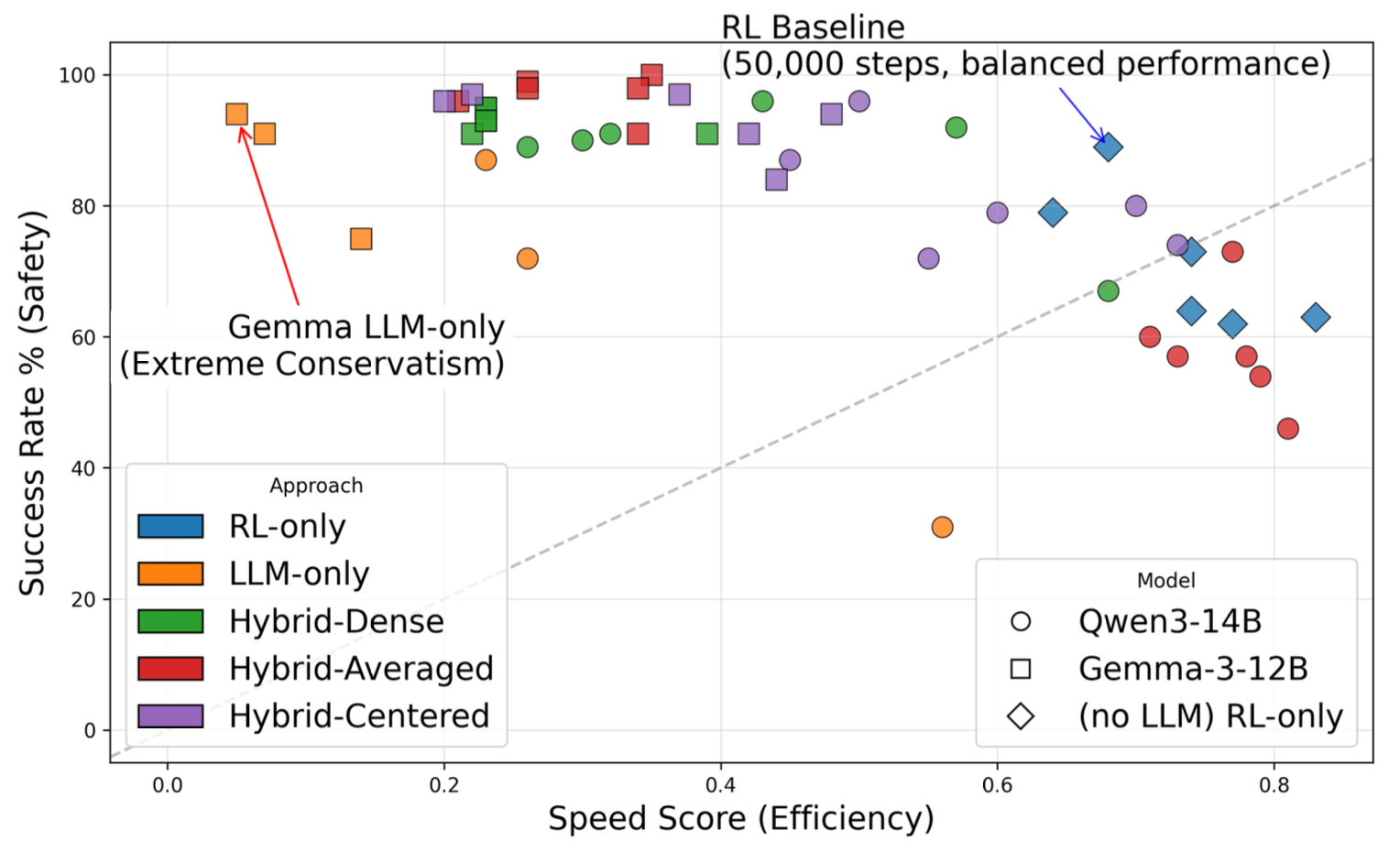
“Are LLMs The Way Forward? A Case Study on LLM-Guided Reinforcement Learning for Decentralized Autonomous Driving” was accepted to ICRA 2026.

Research

My work spans Multi-modal models, VLA models, and human-AI collaboration.

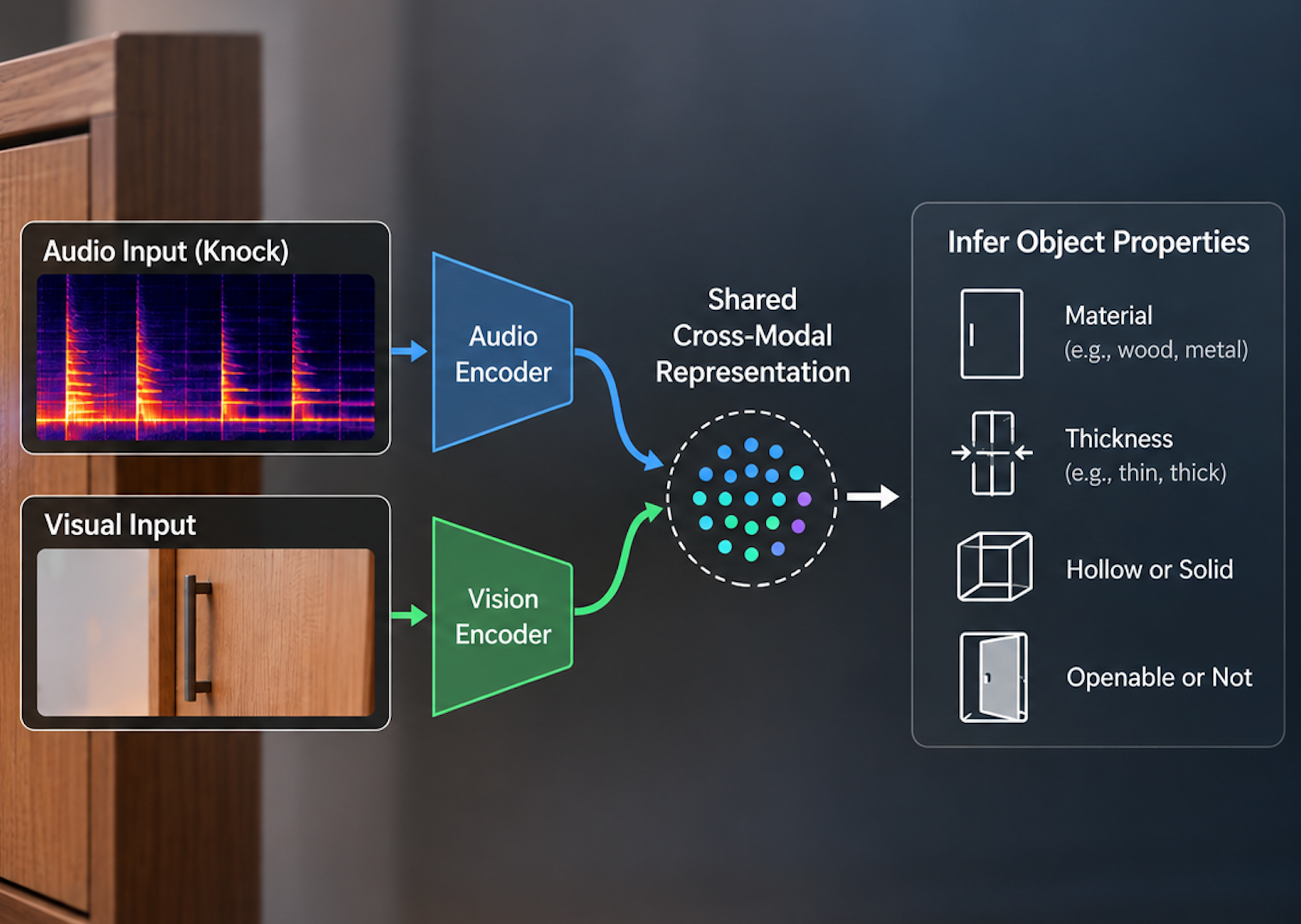
Knock Until You Can See It: Cross-Modal Transfer from Sound to Vision

This project explores how robots can leverage self-generated sounds from physical interactions to improve visual perception and manipulation. By actively knocking on objects and learning cross-modal representations between audio and vision, the robot can infer object properties that may be difficult to determine from visual observations alone. The work aims to enable more robust, adaptive, and efficient robotic manipulation through active multimodal perception.
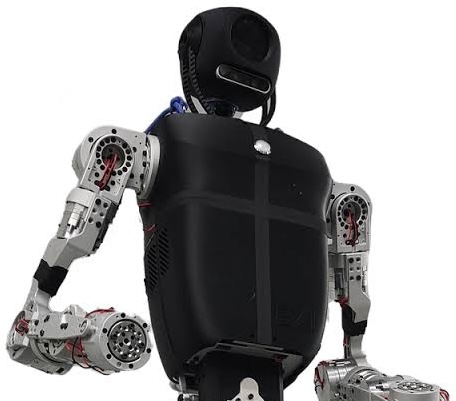
Elf3 humanoid robot

Deployment of VLA + SONIC Framework on Elf3 Humanoid Robot

Working as an Algorithm R&D Intern at BXI Robotics, I train and deploy NVIDIA SONIC whole-body control and Mayi LingBot-VLA models on the Elf3 humanoid robot. I am also building a VLA + SONIC framework for robot manipulation and researching robot data generation with NVIDIA DreamGen.

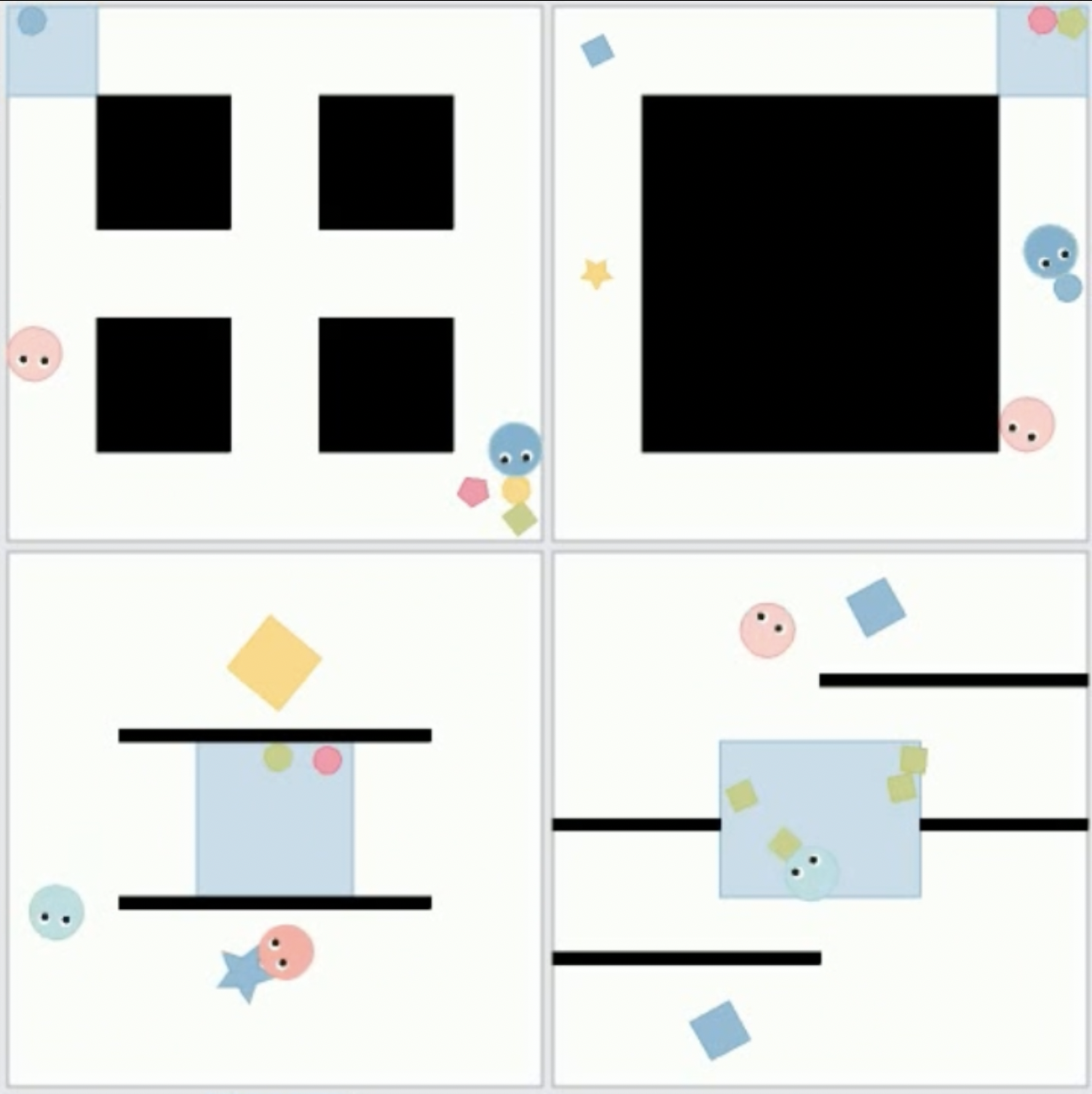
Moving Out human-AI collaboration project

Moving Out: Physically Grounded Human-AI Collaboration (ICML 2026)

Working in Professor Yen-Ling Kuo's lab, I contributed to a project developing embodied agents that adapt their actions to physical dynamics and human interactions.

Autonomous driving reinforcement learning project

Are LLMs The Way Forward? LLM-Guided RL for Decentralized Autonomous Driving (ICRA 2026)

In the Multi-Robot Navigation course, I investigated how reinforcement learning combined with locally deployable language models shapes decentralized autonomous-driving policies. This paper was accepted to ICRA 2026.

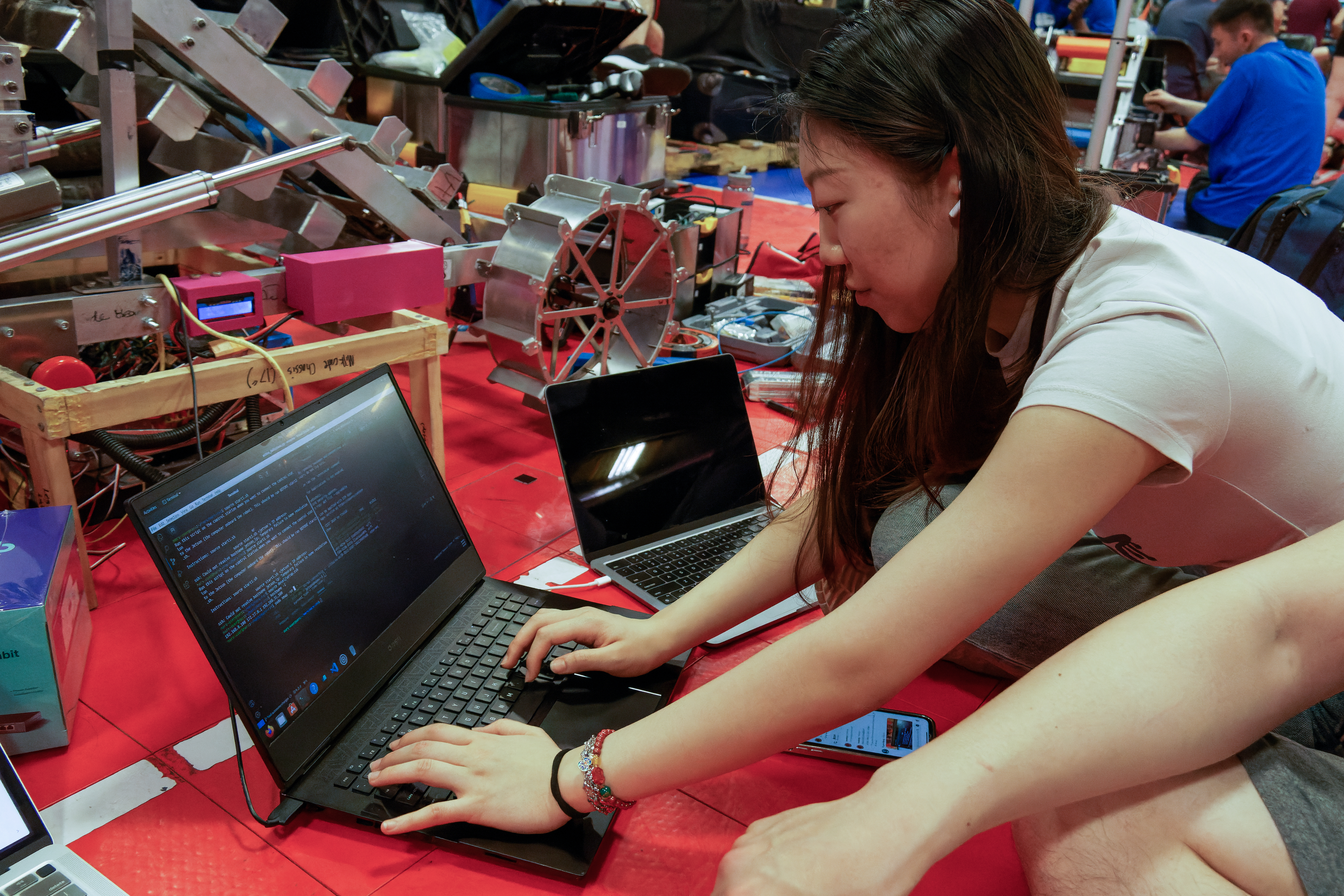
UVA MARS Lunabotics robot

UVA MARS Club — NASA Lunabotics Challenge

Our team placed first and won the Off World Grand Prize among more than 60 universities in 2026. I contributed to teleoperation between the Jetson and control station, autonomous excavation and dumping, and SLAM and path planning with NAV2 and ROS2 for travel autonomy on regolith.

Teleoperation for Franka Emika Panda

Working in Professor Yen-Ling Kuo's lab, I implemented teleoperation of the Franka robot arm using a Meta Quest VR controller and SpaceMouse for diverse manipulation tasks in both physical and simulated environments through ROS2. This work supports multiple ongoing projects in the lab.

MenuMind — Adaptive Dining Recommendations with LLMs and Online Learning

MenuMind is a personalized dining recommendation system that combines a local large language model with an online supervised learning model. It generates recommendations that adapt to a user's preferences over time, using UVA's Observatory Hill Dining Room as a real-world case study.

Observational Learning in Electric Vehicle Adoption

Working with Professor Daisy Dai and Professor Natasha Zhang Foutz, I processed and analyzed large-scale mobile location data and applied clustering algorithms, including Infostop and DBSCAN, to identify visibility patterns around EV charging stations.